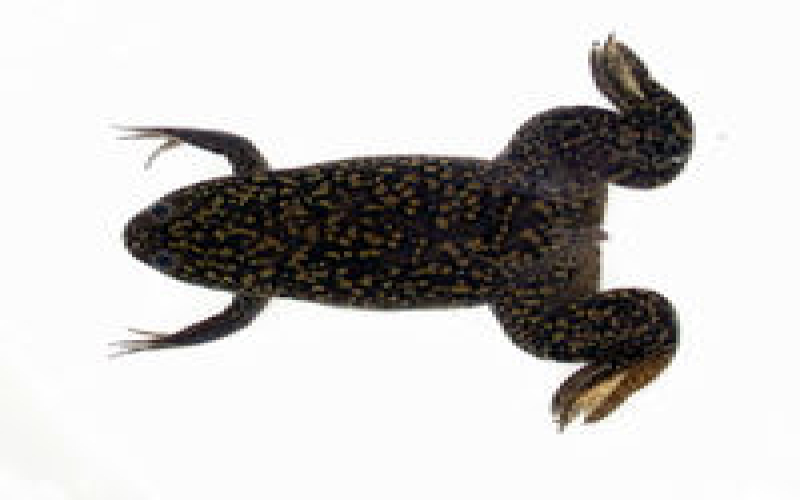
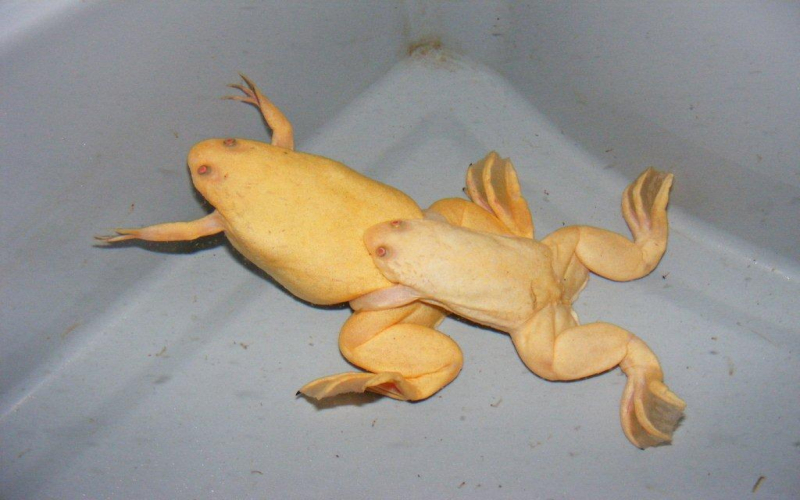
进口繁殖成年热带爪蟾(雌 / 雄可选)Adult Xenopus tropicalis — male / female available
热带爪蟾(Xenopus tropicalis)是继非洲爪蟾(X. laevis)之后最重要的脊椎动物发育模型之一。与 X. laevis 不同,X. tropicalis 为二倍体基因组,基因组较小(约 1.7 Gb),世代周期仅 4–5 个月,是正向遗传筛选、基因组功能研究与 CRISPR 编辑的理想选择。本中心引进专业繁殖群,提供携带完整检疫证明的进口成体,雌雄均有现货。The western clawed frog (Xenopus tropicalis) is one of the most important vertebrate developmental models after X. laevis. Unlike X. laevis, X. tropicalis has a diploid genome (~1.7 Gb), with a generation time of only 4–5 months — ideal for forward genetic screens, genomic functional studies and CRISPR editing. We import animals from professional breeding facilities with full quarantine documentation.
| 参数Parameter | 详情Details |
|---|---|
| 物种Species | Xenopus tropicalis(热带爪蟾) |
| 性别Sex | 雌 / 雄可选(专业鉴别)Female / male (professionally sexed) |
| 体长Body length | 5–7 cm(性成熟个体sexually mature) |
| 来源Source | 专业进口繁殖群,携带检疫证明Imported professional breeding colony, with quarantine certification |
| 存活率保证Survival guarantee | ≥ 98%(到货 48 小时内within 48 h of arrival) |
| 运输Shipping | 控温充氧包装,次日达(极端气温暂停邮寄)Temperature-controlled oxygenated packaging, next-day delivery |
💡 热带爪蟾对温度敏感(最适 25–28℃),收到后请参考附赠养殖指南尽快完成水温适应,勿与 X. laevis(最适 18–22℃)混养。💡 X. tropicalis is temperature-sensitive (optimal 25–28 °C). On arrival, follow the included care guide for water temperature acclimation. Do not house together with X. laevis (optimal 18–22 °C).